Tube Tests (HSG & SSG) in Delhi

Essential fertility diagnostic imaging tests that assess the health and openness of the fallopian tubes and uterus — helping identify key causes of female infertility and guide personalised treatment planning.

At Fertibless, our Tube Tests in Delhi — including HSG (Hysterosalpingography) and SSG (Sonosalpingography) — provide crucial insights into fallopian tube health and uterine structure. These tests help determine whether blockages or abnormalities are preventing conception. Performed with precision by our fertility specialists, tube testing plays a vital role in understanding and resolving fertility issues early in your journey.

hsg-tube-tests-in-delhi

What Are HSG & SSG Tests?

“HSG” and “SSG” are two complementary diagnostic procedures used to evaluate the reproductive tract’s structural health:

Hysterosalpingography (HSG)

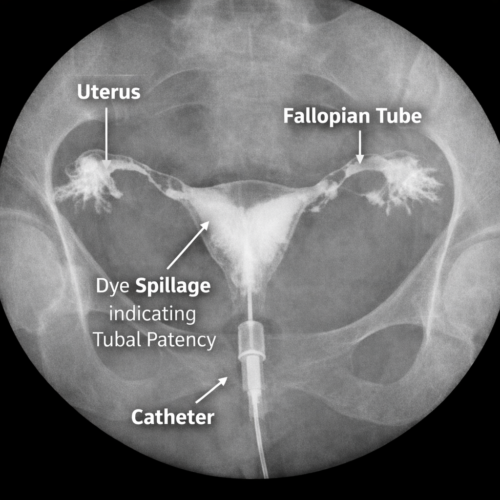
HSG is an X-ray based imaging test that uses a special contrast dye to visualise the uterine cavity and fallopian tubes. As the dye flows through the tubes, fluoroscopic X-rays capture detailed images. If the tubes are open, the dye will spill through the tube ends — indicating patency. If there’s blockage or abnormal anatomy, the flow will be disrupted.

Sonosalpingography (SSG)

SSG is a non-radiation ultrasound-based alternative that uses sterile saline or foam introduced into the uterus to see if the fallopian tubes are open, using ultrasound imaging rather than X-rays. It provides similar information on tubal patency but avoids radiation exposure.

Both tests are key components of fertility evaluation and help identify potential obstacles to natural conception.

Why Tube Tests Matter for Fertility

Healthy, open fallopian tubes are critical for natural conception because:

  • Sperm must travel up the tube to meet the egg after ovulation.
  • A fertilised egg must travel back through the tube to implant in the uterus.
  • Blocked, scarred, or damaged tubes can prevent fertilisation altogether.

Tube tests help your fertility specialist detect:

  • Blocked fallopian tubes
  • Internal scarring or adhesions
  • Uterine cavity shape or structural issues
  • Tubal dysfunction or anomalies
    Accurate tube assessment helps your doctor choose the most effective fertility treatment — whether IUI, IVF, laparoscopy, or corrective surgery is needed.

Benefits of Tube Testing

  • Pinpoints tubal blockages or abnormalities
  • Detects uterine cavity issues
  • Guides fertility treatment decisions
  • Helps avoid unnecessary or ineffective procedures
  • Aids in planning IUI or IVF cycles
  • SSG has no radiation and is generally comfortable
  • HSG offers high accuracy and detailed imaging

Together, they provide a complete picture of reproductive tract health.

Why Choose Fertibless for Your Tube Tests in Delhi

Performed with modern laboratory standards and quality control

Interpreted by experienced fertility specialists

Part of comprehensive fertility evaluation packages

Personalised guidance based on your results

Seamless integration with couple fertility care and treatment planning

Dr. Shipra Gupta and the Fertibless team are committed to creating clear, actionable diagnosis pathways that help unlock your family-building journey.

Frequently Asked Questions (FAQs)

What is an HSG, and why do I need it?

An HSG is an X-ray procedure used to evaluate the inside of the uterus and fallopian tubes to check for blockages or abnormalities. It’s often done in infertility workups to ensure the fallopian tubes are open for egg and sperm to meet.


Is the HSG procedure painful?

Some women experience cramping or discomfort similar to menstrual cramps during or after the procedure. The pain level varies from person to person.


How long does the HSG procedure take?

The procedure typically takes about 15 to 30 minutes. You may need to stay for observation afterward for a short period.


What should I expect after the HSG?

Some spotting and mild cramping are normal. Pain relievers can help manage discomfort. Most patients resume normal activities within a day.


Can the HSG improve my fertility?

In some cases, the dye used in the HSG can help flush minor blockages in the fallopian tubes, which might improve fertility.


When is the best time in my cycle to have the HSG?

The HSG is typically done after your period but before ovulation (days 7 to 10 of your cycle) to avoid the risk of performing the procedure during pregnancy.


Are there any risks associated with HSG?

Complications are rare but can include infection, allergic reactions to the dye, or very rarely, damage to the uterus or fallopian tubes.


What is an SSG, and why is it done?

An SSG is an ultrasound procedure used to assess the uterine cavity for abnormalities like polyps, fibroids, or adhesions. It involves injecting saline into the uterus for better imaging.


Is the SSG procedure painful?

Similar to the HSG, patients may experience mild cramping during the procedure, but it’s generally well-tolerated.


How long does the SSG procedure take?

The entire process usually takes 15 to 30 minutes.


What can I expect after the SSG?

Mild cramping or spotting is normal after the procedure, but these symptoms generally subside quickly. You can resume normal activities soon after.


Does the SSG affect my fertility?

The SSG is primarily a diagnostic tool, but identifying and treating any detected abnormalities can improve fertility.


When should I schedule the SSG?

Like HSG, SSG is done after menstruation but before ovulation (days 6 to 12 of your cycle) to avoid the risk of pregnancy.


Are there any risks with SSG?

Risks are minimal, but they may include mild infection or temporary discomfort. Serious complications are extremely rare.


How is SSG different from HSG?

SSG uses saline and ultrasound to evaluate the uterus, while HSG uses X-ray contrast dye to look at the fallopian tubes and uterus.


Both tests are important in diagnosing causes of infertility, and patients often ask about the differences, risks, and impact on their fertility.

Begin Your Fertility Evaluation With Confidence

Tube tests like HSG and SSG in Delhi are essential steps in identifying why you may not be conceiving and in planning personalised fertility care.
At Fertibless, our fertility specialists provide accurate diagnostics, compassionate support, and clear guidance at every step.