Frequently Asked Questions
What is MicroTESE, and how does it differ from TESA and TESE?
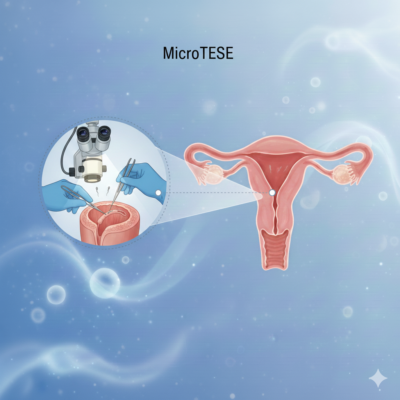
MicroTESE (Microdissection Testicular Sperm Extraction) is a surgical procedure used to retrieve sperm from the testicles, specifically for men with non-obstructive azoospermia (low or absent sperm production). Unlike TESA (Testicular Sperm Aspiration), which uses a needle to collect sperm, and TESE (Testicular Sperm Extraction), which involves a small incision to remove testicular tissue, MicroTESE employs a microscope to carefully locate and extract sperm directly from the testicular tissue. This precision increases the chances of finding viable sperm, making it a valuable option for men facing severe fertility issues.
Is MicroTESE painful?
MicroTESE is generally not very painful because it’s performed under anesthesia, either local or general, which means you won’t feel anything during the procedure. Afterward, you may experience some mild discomfort, soreness, or swelling in the testicular area, but this is usually manageable with over-the-counter pain relief. Most patients find that the pain is minimal compared to the benefits of the procedure.
How long does the MicroTESE procedure take?
The MicroTESE procedure typically takes about 1 to 2 hours. This includes the time needed for anesthesia and the actual surgical extraction of sperm using microscopic techniques. After the procedure, you will likely spend some time in recovery before being able to go home.
What are the success rates of MicroTESE in retrieving sperm?
The success rates of MicroTESE in retrieving viable sperm generally range from 40% to 60%. The actual success can vary based on several factors, including the underlying cause of infertility, the quality of the testicular tissue, and individual patient characteristics. In cases of non-obstructive azoospermia, MicroTESE is often a preferred option due to its higher chances of finding viable sperm compared to other methods. Your fertility specialist Dr. Shipra can provide more specific insights based on your situation.
What are the risks associated with MicroTESE?
The risks associated with MicroTESE are generally low, but as with any surgical procedure, there are some potential complications, including:
- Bleeding: Some bleeding may occur at the incision site, but significant bleeding is rare.
- Infection: There is a small risk of infection at the surgical site, which can usually be managed with antibiotics.
- Testicular Damage: Although rare, there is a possibility of damage to the testicular tissue during the procedure.
- Pain and Discomfort: Some patients may experience soreness, swelling, or bruising in the testicular area post-procedure.
- Failure to Retrieve Sperm: In some cases, viable sperm may not be found, which can be disappointing.
How should I prepare for the MicroTESE procedure?
Preparing for the MicroTESE procedure typically involves the following steps:
- Fasting: You may be instructed to avoid eating or drinking for several hours before the procedure, especially if you’ll be receiving sedation or general anesthesia.
- Medications: Discuss any medications you’re currently taking with Dr. Shipra. You might need to stop certain medications, such as blood thinners, a few days prior to the procedure to reduce the risk of bleeding.
- Shaving: The doctor may request that you shave the area around the testicles before the procedure to minimize the risk of infection.
- Transportation: Arrange for someone to drive you home afterward, as you may be groggy or disoriented from anesthesia.
- Clothing: Wear comfortable clothing on the day of the procedure, as you may be advised to wear supportive undergarments afterward.
- Questions: Prepare any questions or concerns you may have to discuss with Dr. Shipra during your pre-procedure consultation.
The doctor will give you specific instructions tailored to your situation, so it’s essential to follow their guidance.
What happens after MicroTESE?
After MicroTESE, you can expect the following:
- Recovery Time: You’ll spend some time in a recovery area until the anesthesia wears off. A nurse will monitor you during this period.
- Post-Procedure Discomfort: You may experience mild soreness, swelling, or bruising in the testicular area. This is normal and usually resolves within a few days.
- Pain Management: the doctor may recommend over-the-counter pain relievers, like ibuprofen, to help manage any discomfort.
- Activity Restrictions: It’s advisable to avoid strenuous activities, heavy lifting, and sexual intercourse for about a week to allow for proper healing.
- Follow-Up Appointment: Your healthcare provider Dr. Shipra will schedule a follow-up visit to discuss the results of the sperm retrieval and any next steps in your fertility treatment plan.
- Sperm Use: If viable sperm is retrieved, it will typically be used for ICSI (Intracytoplasmic Sperm Injection) during IVF or may be frozen for future use.
- Signs to Watch For: Be alert for signs of infection, such as increased pain, swelling, or fever, and contact Dr Shipra if you experience any concerning symptoms.
Can MicroTESE be repeated if the first attempt is unsuccessful?
Yes, MicroTESE can be repeated if the first attempt is unsuccessful. However, the decision to do so will depend on several factors, including:
- Underlying Condition: If there are still potential sperm-producing areas in the testicles that haven’t been explored, a repeat procedure might be beneficial.
- Health and Recovery: Your overall health and how well you’ve recovered from the first procedure will also influence the decision.
- Alternative Options: If MicroTESE is unsuccessful, your doctor may discuss other options, such as TESE or exploring additional fertility treatments.
It’s essential to have a thorough discussion with Dr. Shipra to understand the reasons for the first attempt’s failure and to determine the best course of action moving forward.
How is the sperm used after MicroTESE?
After MicroTESE, the retrieved sperm is typically used in the following ways:
- Intracytoplasmic Sperm Injection (ICSI): The most common use is for ICSI, a specialized form of in vitro fertilization (IVF). In ICSI, a single sperm is injected directly into an egg to facilitate fertilization.
- Freezing for Future Use: If viable sperm is retrieved, it can also be frozen (cryopreserved) for future use. This allows for flexibility in timing when you decide to pursue IVF.
- Embryo Development: Once fertilization occurs, the embryos are cultured in a lab for several days before one or more are selected for transfer into the woman’s uterus.
The specific approach will depend on your fertility treatment plan, which Dr. Shipra will discuss with you after the procedure.
What are the chances of achieving pregnancy after MicroTESE?
The chances of achieving pregnancy after MicroTESE can vary based on several factors, including the underlying cause of infertility and the quality of the retrieved sperm. Generally, success rates can be summarized as follows:
- Success Rates: After MicroTESE, the likelihood of obtaining viable sperm ranges from 40% to 60%.
- Pregnancy Rates: If viable sperm is retrieved and used for ICSI during IVF, pregnancy rates are comparable to normal IVF/ICSI patients.
- Factors Influencing Success: Factors such as the female partner’s age, overall reproductive health, and the specific cause of male infertility can all affect the chances of achieving pregnancy.
- Your fertility specialist Dr. Shipra will provide a more tailored estimate based on your unique situation and medical history.