Frequently Asked Questions
How does the IUI procedure work, and what should I expect during each step?
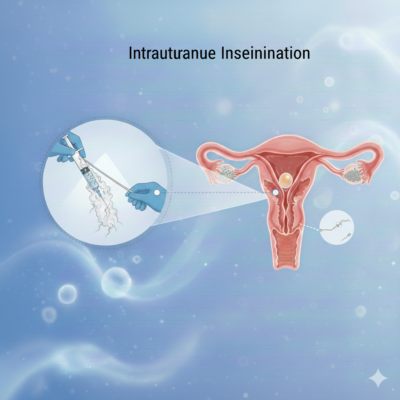
The IUI procedure involves several steps:
- Consultation: Initial assessment of both partners, including blood tests and semen analysis.
- Ovulation Stimulation: Fertility medications may be prescribed to stimulate egg production, monitored through ultrasounds.
- Trigger Shot: An injection (hCG) is given to induce ovulation.
- Sperm Preparation: On the day of IUI, a sperm sample is collected and “washed” to concentrate healthy sperm.
- Insemination: A thin catheter is used to place the prepared sperm directly into the uterus. This takes about 5-10 minutes and may cause mild cramping.
- Aftercare: You may lie down for a short time post-procedure. A pregnancy test is done about two weeks later to check for results.
What factors could increase or decrease my chances of success with IUI?
Factors That Can Increase IUI Success:
- At least one fallopian tube must be open and functional.
- Younger age, especially under 35.
- Good ovarian reserve with a good number and quality of eggs.
- Unexplained infertility tends to have better success rates.
- Mild male factor infertility can benefit from IUI as it bypasses the cervix.
- Ovarian stimulation with medications to increase egg production.
- Optimal timing with ovulation monitoring.
- No significant female infertility issues.
Factors That Can Decrease IUI Success:
- Age over 35, as fertility declines.
- Poor sperm quality, especially with severe sperm issues.
- Moderate to severe endometriosis.
- Severe male factor infertility.
- Previous multiple failed IUI attempts.
- Cervical or uterine abnormalities.
- Body mass index (BMI) being too high or too low.
Summary of Success Rates:
- Under 35 years old: 10-20% per cycle.
- 35 to 40 years old: 10% per cycle.
- Over 40 years old: Around 5% per cycle.
Is there any pain or discomfort associated with the IUI procedure itself?
The IUI procedure is usually quick and minimally uncomfortable. You might feel mild pressure during speculum insertion and brief cramping when the catheter is placed in the uterus. Some women experience light cramping or spotting afterward, but this typically subsides quickly. Overall, any discomfort is usually mild and short-lived.
Are there any risks or complications associated with IUI or the medications involved?
Yes, risks of IUI (intrauterine insemination) are generally low but can include infection, spotting, and discomfort. Medications used, like ovulation stimulants, may cause side effects such as bloating, mood swings, or multiple pregnancies (twins or more).
How is semen sample collected?
A semen sample is typically collected through masturbation into a sterile container. This is usually done at a clinic or fertility center, though some places allow collection at home if the sample can be delivered within a short time. It’s important to avoid using lubricants or other substances that could affect the sperm. In certain cases, a special condom may be provided to collect the semen during intercourse. The sample is then analyzed or used for procedures like intrauterine insemination (IUI).
How will the sperm sample be prepared before insemination, and can it be from my partner or a donor?
Before insemination, the sperm sample is processed by centrifugation to remove impurities and concentrate the healthiest sperm. This helps increase the chances of fertilization. The sample can come from either your partner or a donor, depending on your situation and preference.
What should I expect after the procedure in terms of physical symptoms or restrictions?
There are generally no major restrictions—most people can return to normal activities the same day. Just avoid heavy exercise or strenuous activities for a day or two.
When can I take a pregnancy test to know if the IUI was successful?
You can take a pregnancy test about 10-14 days after the IUI procedure to check if it was successful. Testing too early might give inaccurate results due to hormone medications.
What are the next steps if this cycle does not result in a pregnancy?
If this cycle doesn’t result in a pregnancy, your doctor may recommend trying IUI again, adjusting medications, or exploring other fertility treatments. The doctors help to decide the best path forward based on your situation.
What is the overall cost of an IUI cycle, including medications, monitoring, and the procedure itself?
The cost of an IUI cycle in India typically ranges from ₹15,000 to ₹20,000, depending on medications, monitoring, and the clinic. Medications may add a few thousand rupees to the total cost. It’s best to check with your clinic for exact pricing and insurance coverage.
Does my insurance cover any part of the IUI process, or are there financing options available?
Insurance coverage for IUI varies. Some policies may cover part of the process, like consultations or medications, while others may not. It’s important to check with your provider. Many clinics also offer financing options or payment plans to make the treatment more affordable.
Are there any lifestyle changes I should consider (e.g., diet, exercise, stress reduction) to improve the chances of success?
Yes, healthy lifestyle changes can help. Focus on a balanced diet, regular moderate exercise, maintaining a healthy weight, and reducing stress through activities like yoga or meditation. Avoid smoking, alcohol, and excessive caffeine to improve your chances of success.
What emotional support resources are available (such as counseling or support groups) during this process?
Emotional support is important during this process. Many clinics offer counseling services, and you can also find support groups, both in-person and online, where you can connect with others going through similar experiences. Speaking with a therapist can also help manage stress and emotions.