
14 Sep Egg Freezing: What It Actually Involves, and Who Should Consider It
Egg freezing used to be a term mostly associated with cancer treatment — a way to preserve fertility before chemotherapy. Today, it’s increasingly something women look into on their own terms, for reasons that have nothing to do with illness: career timing, not having found the right partner yet, or simply wanting more control over future family planning decisions. If you’ve been quietly researching it without quite knowing where to start, here’s a clear, non-clinical breakdown of what the process actually involves.
What Egg Freezing Actually Is
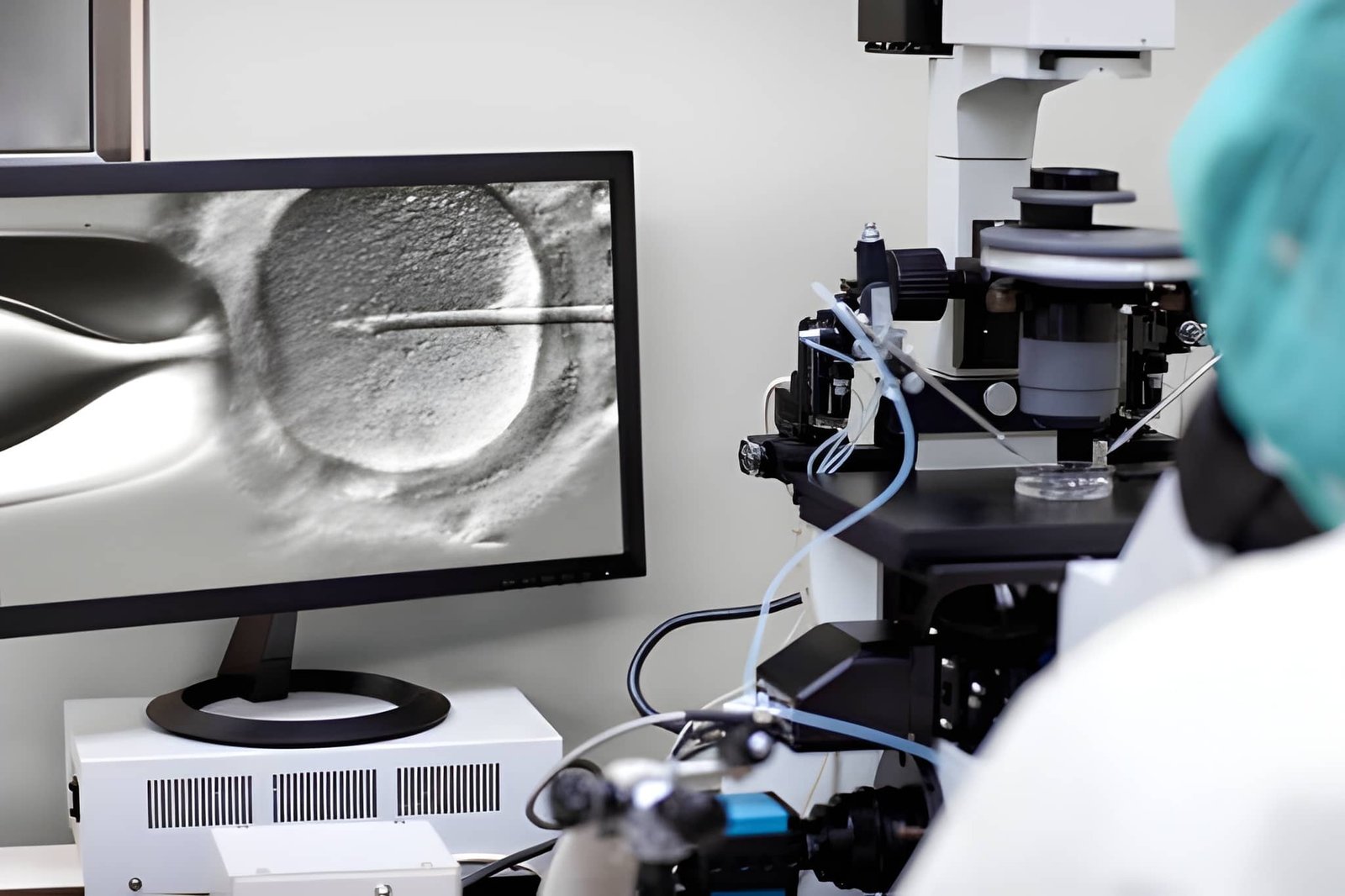
Egg freezing (medically called oocyte cryopreservation) is the process of retrieving a woman’s eggs, freezing them unfertilized, and storing them for future use. When she’s ready to try for pregnancy later, the eggs are thawed, fertilized with sperm in a lab, and transferred as an embryo — essentially the same lab process used in IVF, just with a pause built into the middle of it.
It’s worth being clear about what it does and doesn’t guarantee. Freezing eggs preserves them at their current quality — it doesn’t reverse age-related decline that’s already happened, and it doesn’t guarantee a future pregnancy. What it does is remove the pressure of a ticking clock on your current schedule, by working with eggs retrieved at a younger, often healthier stage than they might be years later.
Who Typically Considers It
There isn’t one single profile of someone who freezes their eggs, but a few common situations come up repeatedly:
- Women prioritizing career or education timelines who want biological children eventually but aren’t ready now
- Women without a partner yet, who don’t want partnership status to dictate their fertility options
- Those with a family history of early menopause or conditions that affect ovarian reserve over time
- Patients about to undergo medical treatment — such as chemotherapy or certain surgeries — that could affect future fertility
- Women who’ve had ovarian or pelvic surgery, which can sometimes reduce egg count or accessibility later
None of these are prerequisites — many women simply decide it makes sense for their own peace of mind, without a specific triggering event.
What the Process Actually Involves
The process shares several steps with early-stage IVF:
- Initial testing — blood work to check hormone levels like AMH (an indicator of ovarian reserve) and an ultrasound to count antral follicles. You can read more about what these fertility blood tests and fertility ultrasound actually measure, since they determine how many eggs are realistically retrievable in a cycle.
- Ovarian stimulation — daily injectable medication for roughly 10–12 days to encourage multiple eggs to mature at once, rather than the single egg released in a natural cycle.
- Monitoring — regular ultrasounds and blood tests during stimulation to track follicle growth and adjust medication if needed.
- Egg retrieval — a short procedure done under sedation, where eggs are collected directly from the ovaries. It typically takes 15–20 minutes.
- Freezing and storage — mature eggs are frozen using a fast-freezing method called vitrification, which has significantly improved egg survival rates compared to older freezing techniques.
The entire process, from starting medication to retrieval, usually takes about two weeks.
The Age Question, Honestly Addressed
Age is the single biggest factor in how well egg freezing works — both in terms of how many eggs can be retrieved and how likely they are to result in a pregnancy later. Eggs frozen in your late 20s to early 30s generally have a meaningfully better chance of success than eggs frozen in the late 30s or beyond, because egg quality naturally declines with age regardless of when it’s frozen.
This doesn’t mean freezing later isn’t worthwhile — it can still be a reasonable option — but it does mean the conversation about timing is worth having honestly with a specialist rather than assuming there’s no rush. This is exactly the kind of individual assessment that AMH and antral follicle testing is designed to inform.
How Many Eggs Are Usually Recommended
There’s no universal number, since it depends on age and individual reserve, but fertility specialists often discuss retrieving a reasonable number of mature eggs across one or occasionally two cycles to give a meaningful chance at a future live birth — not just any number of eggs, but enough good-quality ones. This is a conversation best had directly with a specialist reviewing your own test results, rather than relying on general online figures.
What Happens to the Eggs While Stored
Frozen eggs are stored in specialized cryopreservation tanks and can typically remain viable for many years, though clinics vary in exact storage protocols and renewal terms — worth clarifying upfront. When you’re ready to use them, they’re thawed, fertilized, and cultured into embryos following largely the same lab process as a standard IVF cycle.
Is It Right for You?
That’s genuinely a personal decision, and it depends on where you are — age, health history, and what you’re weighing it against. If sperm preservation is also part of the picture for a partner, it’s worth knowing that sperm freezing follows a similarly straightforward process on the male side.
If you’re trying to figure out whether now is a reasonable time for you specifically, Dr. Shipra Gupta can walk through your test results and help you understand what your own numbers suggest — rather than relying on general age guidelines alone.

Dr. Shipra Gupta is a renowned obstetrician, gynaecologist, and infertility specialist, boasting over 17 years of invaluable clinical, teaching, and research experience. She has successfully performed more than 1200 cycles of IUI, IVF, natural cycle IVF, donor egg, and FET cycles. Dr. Gupta specializes in managing complex cases involving Advanced Maternal Age, PCO, Poor Ovarian Reserve, endometriosis, and unexplained infertility. Her expertise extends to treating recurrent IVF failures and male infertility.