Hysteroscopy Treatment in Delhi

A minimally invasive diagnostic and therapeutic procedure that allows precise evaluation and correction of uterine abnormalities — performed with expertise and care by Dr. Shipra Gupta at Fertibless Clinic.


At Fertibless, our Hysteroscopy Treatment in Delhi is performed to diagnose and treat conditions inside the uterus that may affect fertility, menstrual health, or IVF success. Under the expertise of Dr. Shipra Gupta, a trusted Hysteroscopy Specialist in Delhi, we use advanced endoscopic technology to ensure accurate evaluation, minimal discomfort, and faster recovery — helping women improve reproductive health and fertility outcomes.

hysteroscopy (2)

What Is Hysteroscopy?

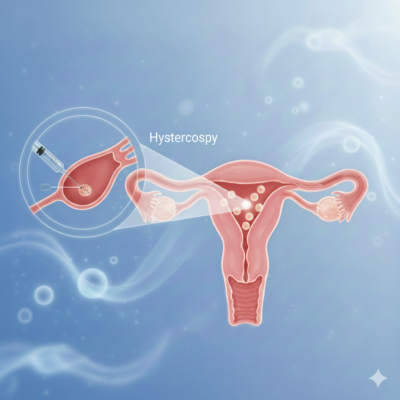
Hysteroscopy is a minimally invasive procedure in which a thin, lighted telescope-like instrument (hysteroscope) is inserted through the vagina into the uterus to examine the uterine cavity. It helps identify and correct abnormalities that may interfere with conception or cause symptoms like heavy bleeding, irregular cycles, recurrent miscarriages, or repeated IVF failures.


There are two types of hysteroscopy:

·       Diagnostic Hysteroscopy: Used to look inside the uterus for any abnormalities.

·       Operative Hysteroscopy: Used to treat or correct issues such as polyps, fibroids, adhesions, or septum.


Because it allows real-time visualization and treatment in one session, hysteroscopy is considered one of the most effective tools for improving fertility and ensuring uterine readiness before IVF.

Who Can Benefit from Hysteroscopy?

Hysteroscopy may be recommended for:

Recurrent implantation failure

Repeated miscarriages

Heavy or irregular menstrual bleeding

Suspected uterine septum

Endometrial polyps

Submucous fibroids

Uterine adhesions (Asherman syndrome)

Unexplained infertility

Thickened endometrium

Before IVF to ensure cavity readiness

Removal of retained products of conception

If you have been experiencing fertility challenges or abnormal bleeding, hysteroscopy provides a clear and accurate understanding of uterine health.

Hysteroscopy Treatment at Fertibless Clinic

Our Hysteroscopy treatment is built on three pillars:

Personalized Treatment

  • Menstrual history
  • Ultrasound findings
  • Fertility reports
  • IVF failure history
  • Hormonal profile
  • Symptoms such as pain or heavy bleeding

A personalised approach ensures accurate diagnosis and the right treatment plan.

Advanced Diagnostic & Operative Tech

We use modern hysteroscopes and high-resolution imaging to:

  • Visualize the uterine cavity in detail
  • Diagnose abnormalities in real time
  • Remove polyps or fibroids
  • Correct a uterine septum
  • Release adhesions
  • Improve endometrial environment for implantation

Most treatments are completed in a single session, reducing the need for multiple procedures.

Holistic Care & Fast Recovery

Inspired by Dr. Shipra’s personal journey, we support you with:

Hysteroscopy is a daycare procedure with:

  • No abdominal incisions
  • Minimal pain
  • Quick recovery
  • Return to normal routine within 24–48 hours

We also guide you on:

  • Medication support
  • Diet and recovery
  • Emotional and physical wellbeing

Benefits of Hysteroscopy for Fertility

  • Improves uterine environment for embryo implantation
  • Detects conditions not visible on ultrasound
  • Treats abnormalities in the same sitting
  • Increases success rates of IUI and IVF
  • Helps reduce the risk of miscarriage
  • Enhances menstrual health
  • Accurate, safe, and minimally invasive

Why Couples Trust Fertibless

17+ years of experience in infertility

Expertise in complex cases like low AMH, PCOS, endometriosis, recurrent failures

1200+ successful IVF, IUI & FET cycles

Evidence-based treatment with emotional and holistic support

Supportive, patient-centric environment

Focus on personalized protocols, not one-size-fits-all treatment

Frequently Asked Questions

What is a hysteroscopy?

A hysteroscopy is a procedure thin, lighted tube called a hysteroscope is used to look inside the uterus. It is done under anesthesia. It involves no cut, no stich and no pain. It helps diagnose and treat issues like polyp, uterine adhesions or uterine fibroids etc.

Why do I need a hysteroscopy?

It’s also used to check for things like fibroids, polyps, or scar tissue inside the uterus. In cases of infertility or repeated miscarriages, this procedure can help find  possible causes. In some cases, the doctor can also treat certain issues during the same procedure.

Is hysteroscopy painful?

Hysteroscopy is usually not very painful, but some cramping, similar to period pain may be present . We use anesthesia and pain relief to make you more comfortable.

How long does the procedure take?

The hysteroscopy procedure itself typically takes about 15 to 30 minutes. However, if the doctor needs to perform a treatment, like removing a polyp or fibroid, it might take a bit longer. Including preparation and recovery it last  for a couple of hours.

Do I need anesthesia for a hysteroscopy?

Yes, anesthesia is often used during a hysteroscopy . The doctor might use local anesthesia, which numbs the area, or sedation to help you relax. In some cases, general anesthesia may be used, especially if the procedure is more complex.

What are the risks or complications?

While hysteroscopy is generally safe, there are some potential risks and complications, though they are rare. These can include:

  • Infection: There’s a small chance of developing an infection after the procedure.
  • Bleeding: Some bleeding or spotting is normal, but heavy bleeding is uncommon.

Adverse Reactions to Anesthesia: Some people may have side effects from the anesthesia used.

What is the recovery like?

Recovery after a hysteroscopy is quick and straight forward. Mild cramping and some spotting for a few days, may be present. Most people feel well enough to return to normal activities within a day or two. It’s advisable to avoid heavy lifting, strenuous exercise, or sexual intercourse for a period of 3 to 4 days.

How do I prepare for a hysteroscopy?

To prepare for a hysteroscopy, you should:

  • Follow Instructions: Dr.Shipra will provide specific guidelines, which may include avoiding certain medications, such as blood thinners, a few days before the procedure.
  • Fasting: You may be asked not to eat or drink anything for a few hours before the procedure, especially if you will receive sedation or general anesthesia.
  • Timing: It’s often scheduled after menstrual days, on day 6 to 12.

Can a hysteroscopy affect fertility or my ability to get pregnant?

Hysteroscopy does not negatively affect fertility and can actually help improve it. By diagnosing and treating issues like polyps or fibroids, the procedure can create a healthier environment for conception

What happens if the doctor finds something abnormal during the hysteroscopy?

The doctor finds something abnormal during the hysteroscopy, such as fibroids or polyps, they may be able to treat it right away. This can include removing the abnormal tissue, taking biopsies for further testing, or addressing any other issues observed. After the procedure, Dr.Shipra will discuss the findings with you and explain any additional steps or follow-up care that may be needed. If further treatment is required, they will provide guidance on what to expect next.

Can I have hysteroscopy while on my period?

It’s generally best to schedule a hysteroscopy when you’re not on your period. If you have heavy bleeding, it can make it difficult for the doctor to see inside the uterus clearly. However, if the procedure is necessary for medical reasons, the doctor may proceed even if you are menstruating. It’s important to discuss your cycle with she can advise you on the best timing for the procedure.

 

Ready to Start your Journey?

Our team is here to answer your questions and guide you every step of the way.