
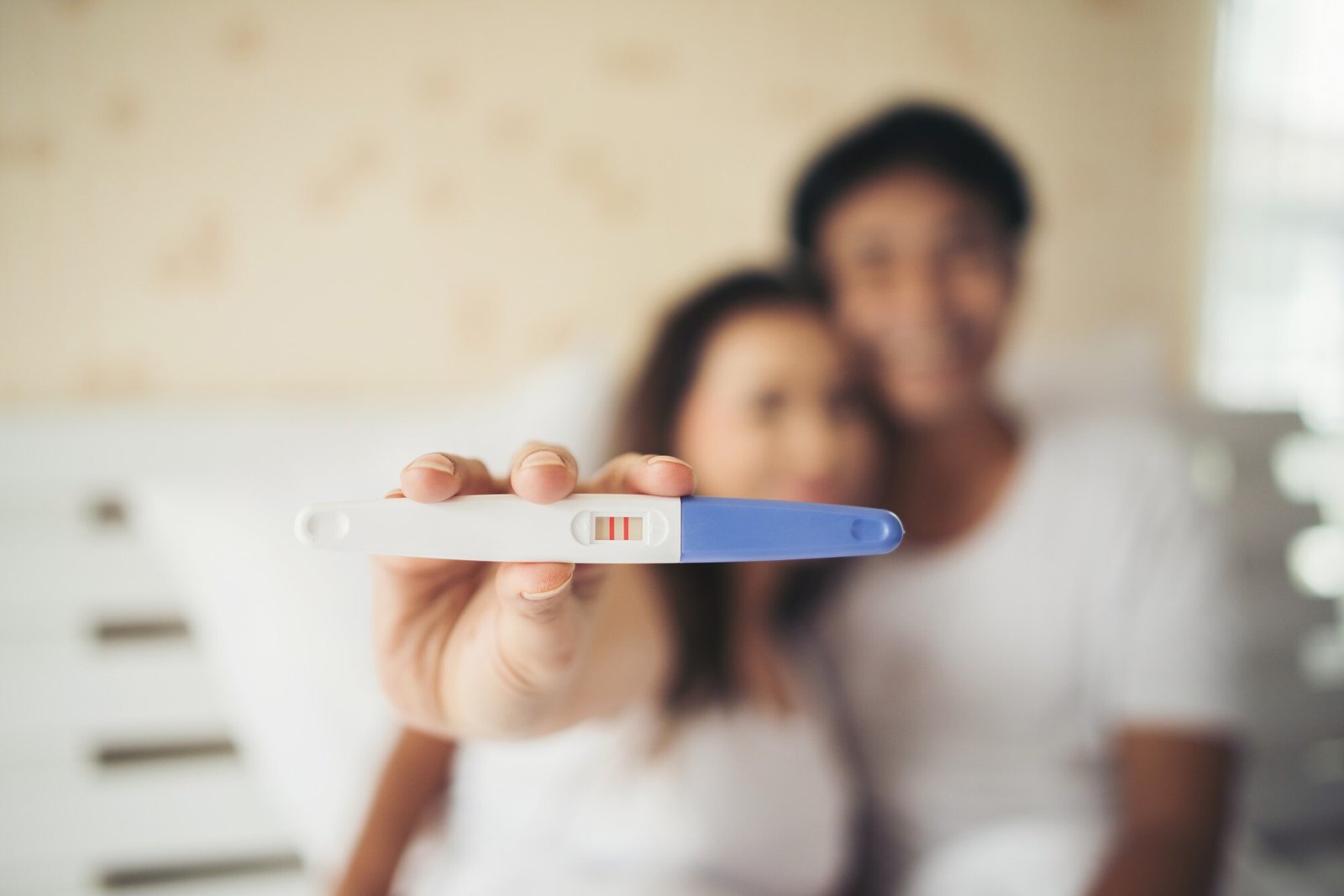
12 Oct IVF Step by Step: A Complete Timeline from First Consultation to Pregnancy Test
In vitro fertilization (IVF) can feel overwhelming at first. There are new terms, injections, scans and decisions, and most couples want to know one thing before they begin: what will actually happen, and when?
In short: one IVF cycle usually takes about 4 to 6 weeks from the start of ovarian stimulation to the pregnancy test. The main stages are an initial consultation and tests, ovarian stimulation, egg retrieval, fertilization in the laboratory, embryo culture, embryo transfer, and a blood pregnancy test about two weeks later. Some couples need extra preparation before starting, and some choose to freeze embryos and transfer them in a later cycle, which lengthens the overall timeline.
This guide walks through each stage of IVF treatment in plain language, so you know what to expect, what is normal, and which questions to ask your doctor.
What Is IVF and Who Is It For?
IVF is a fertility treatment in which eggs are collected from the ovaries and combined with sperm in a laboratory. The resulting embryos are grown for a few days, and one (or sometimes more) is placed in the uterus with the aim of achieving a pregnancy.
Doctors may recommend IVF when:
- The fallopian tubes are blocked or damaged
- There is severe endometriosis
- Sperm count or quality is significantly reduced
- Ovarian reserve is low or the woman is older
- Other treatments such as ovulation induction or IUI have not worked
- Infertility remains unexplained after a full evaluation
- Genetic testing of embryos is needed
IVF is not always the first step. Many couples begin with simpler treatments, and the right choice depends on age, diagnosis and how long you have been trying. A fertility specialist can help you decide.
Step 1: First Consultation and Fertility Evaluation
The journey starts with a detailed consultation. Expect the doctor to ask about:
- How long you have been trying to conceive
- Menstrual cycle history and any previous pregnancies
- Past surgeries, medical conditions and medications
- Lifestyle factors such as smoking, alcohol, weight and stress
- Previous fertility treatments, if any
Both partners are usually evaluated. Common tests include:
- Hormone blood tests such as AMH, FSH, LH, estradiol, thyroid function and prolactin, which help assess ovarian reserve and hormonal balance
- A fertility ultrasound to check the uterus and ovaries and count antral follicles
- Semen analysis to check sperm count, motility and shape
- Tubal and uterine assessment, where needed, such as hysteroscopy to examine the uterine cavity
At the end of this stage, your doctor should explain the likely cause (or causes) of infertility, whether IVF is advisable, and the realistic chances of success for your situation.
Typical time: one to a few weeks, depending on the tests required.
Step 2: Planning and Preparing Your Cycle
Before stimulation begins, your doctor will design a treatment protocol based on your age, hormone levels and ovarian reserve. Preparation may include:
- Treating thyroid problems, infections or other conditions that could affect the cycle
- Correcting uterine problems such as polyps or fibroids
- Medicines that synchronise your cycle, such as birth control pills in some protocols
- Advice on folic acid, healthy weight, sleep, diet and stopping smoking and alcohol
- Counselling on the process, risks, consent and what to expect emotionally
It is also the right time to discuss costs openly, including medicines, procedures, embryo freezing and any add-ons. Our guide on what affects the price of IVF can help you prepare your questions.
Typical time: a few days to a few weeks.
Step 3: Ovarian Stimulation (Days 2-3 of Your Period to About Day 12)
In a natural cycle, the body usually releases only one egg a month. IVF aims to collect several mature eggs, because not every egg fertilizes and not every embryo develops normally.
What happens:
- You start daily hormone injections (gonadotropins) on day 2 or 3 of your period.
- Additional medicines may be added to prevent premature ovulation.
- You return for blood tests and ultrasound scans every couple of days to track follicle growth and hormone levels.
- The doctor adjusts the dose based on your response.
Stimulation usually lasts around 8 to 14 days, most often 10 to 12. When the follicles reach the right size, you are given a trigger injection, which completes egg maturation. Egg retrieval is scheduled about 34 to 36 hours later, so the timing of this injection is very important.
What you may feel: bloating, mild abdominal discomfort, mood changes and breast tenderness are common. Severe pain, rapid weight gain, vomiting or difficulty breathing should be reported to your clinic immediately, as they can be signs of ovarian hyperstimulation syndrome (OHSS), a rare but serious complication.
Step 4: Egg Retrieval (Around Day 12-14)
Egg retrieval, also called oocyte pickup, is a short procedure done under sedation or light anaesthesia, so you do not feel pain.
- A thin needle guided by ultrasound passes through the vaginal wall into each ovary.
- Fluid from the follicles is collected and passed to the embryologist, who identifies the eggs.
- The procedure usually takes 15 to 30 minutes, and you rest for a short time afterwards.
Most women go home the same day. Mild cramping, spotting and bloating for a day or two are normal. You will need someone to accompany you, and you should avoid driving for the rest of the day.
On the same day, a semen sample is collected from the male partner. If sperm cannot be found in the ejaculate, sperm can sometimes be retrieved surgically through procedures such as TESA or Micro-TESE. If frozen sperm or donor eggs are being used, the laboratory team plans accordingly.
Step 5: Fertilization in the Laboratory (Day 0 and Day 1)
The embryologist combines the eggs and sperm using one of two methods:
- Conventional IVF: eggs and prepared sperm are placed together in a culture dish, and fertilization occurs naturally.
- ICSI (intracytoplasmic sperm injection): a single healthy sperm is injected directly into each mature egg. ICSI is commonly used when sperm count or quality is low, or when previous cycles had poor fertilization.
The next morning, the laboratory checks which eggs have fertilized. Not all eggs will be mature and not all will fertilize, which is why you may hear a lower number on this day than the number of eggs collected. This is a normal part of the process.
Step 6: Embryo Culture and Development (Day 1 to Day 5 or 6)
Fertilized eggs are kept in incubators that mimic conditions inside the body. Over the next several days, the embryo divides and develops:
- Day 2-3: the embryo has several cells (cleavage stage)
- Day 5-6: the embryo may reach the blastocyst stage, a more advanced embryo that is often easier to assess for quality
Embryologists grade embryos by their appearance and rate of development. Not every embryo reaches the blastocyst stage, and that is expected. The doctor will talk you through how many embryos developed and what the next step should be.
Optional steps at this stage include:
- Preimplantation genetic testing (PGT): a few cells are taken from the embryo and tested for chromosomal or specific genetic conditions. It is not necessary for everyone, and it is worth discussing with your doctor whether it is appropriate for your case.
- Embryo freezing (vitrification): extra good-quality embryos can be frozen for future use. Freezing may also be advised if the uterine lining is not ready or if there is a risk of OHSS.
Step 7: Embryo Transfer (Day 3 or Day 5, or in a Later Cycle)
The embryo transfer is usually quick and does not need anaesthesia.
- A soft, thin catheter containing the embryo is passed through the cervix into the uterus under ultrasound guidance.
- The embryo is released into the uterine cavity, and the process takes only a few minutes.
There are two main approaches:
- Fresh embryo transfer: the embryo is transferred in the same cycle as the egg retrieval.
- Frozen embryo transfer (FET): embryos are frozen and transferred in a later cycle, when the uterus has been prepared with hormones or a natural cycle. FET is now widely used and is often recommended when genetic testing is done or when a fresh transfer is not ideal.
The number of embryos transferred is decided with your doctor. Transferring a single embryo lowers the risk of twins and the complications that come with multiple pregnancy, and is often preferred when embryo quality is good.
After the transfer, you will usually be asked to rest briefly and then resume normal light activity. Strict bed rest is not required and has not been shown to improve outcomes.
Step 8: The Two-Week Wait and Luteal Support
After transfer, you will take medicines, usually progesterone and sometimes estrogen, to support the uterine lining and early pregnancy. These can be tablets, vaginal inserts or injections, depending on your clinic’s protocol.
The period between the transfer and the pregnancy test is often the hardest emotionally. During this time:
- Mild cramping, spotting or breast tenderness can occur and are not reliable signs of success or failure
- Follow your medication schedule exactly
- Avoid heavy exercise, but gentle walking is fine
- Avoid testing at home too early, as it can give false results, especially if a trigger injection was used recently
- Contact your clinic if you have heavy bleeding, severe pain or fever
Look after your emotional health too. Talking with your partner, a counsellor or a trusted friend can help.
Step 9: The Pregnancy Test (Beta hCG)
A blood test measuring beta hCG is usually done about 10 to 14 days after embryo transfer. It is more accurate and reliable than a home urine test.
- Positive result: your doctor will usually repeat the test to check that the hormone level is rising appropriately, and arrange an early ultrasound a couple of weeks later to confirm the pregnancy and the heartbeat.
- Negative result: this is emotionally very difficult, but it is not the end of the road. Your doctor will review the cycle with you, discuss whether any changes are needed, and talk about next steps, including frozen embryo transfers if you have embryos stored.
A positive test is the beginning of early pregnancy care, and you will continue medicines and monitoring as advised.
IVF Timeline at a Glance
| Stage | Approximate timing |
| Consultation and tests | 1-3 weeks |
| Cycle planning and preparation | A few days to a few weeks |
| Ovarian stimulation | 8-14 days |
| Trigger injection | 34-36 hours before retrieval |
| Egg retrieval | Same day, 15-30 minutes |
| Fertilization | Day 0-1 |
| Embryo development | Up to Day 5-6 |
| Embryo transfer | Day 3 or 5 (fresh), or a later cycle (frozen) |
| Beta hCG pregnancy test | About 10-14 days after transfer |
Timelines vary from person to person. Your doctor will give you a schedule tailored to your protocol.
Factors That Influence IVF Success
No honest guide can promise a particular outcome. Success depends on several factors:
- Age of the woman, which is the single biggest factor, mainly because egg quality declines with age
- Ovarian reserve and how the ovaries respond to stimulation
- Sperm quality
- Embryo quality and the laboratory’s expertise
- Uterine health, including the lining and any structural problems
- Underlying conditions such as endometriosis, PCOS or thyroid disease
- Lifestyle factors such as smoking, weight and stress
Many couples need more than one cycle. When you meet a clinic, ask for success rates that are broken down by age group and that clearly state whether they refer to pregnancy or live birth.
Possible Risks and Side Effects
IVF is considered safe for most people, but it is helpful to know the risks:
- OHSS: an over-response of the ovaries to medication. Mild cases are common, and severe cases are rare.
- Multiple pregnancy: more likely when more than one embryo is transferred.
- Procedure-related risks: small risks of bleeding, infection or reaction to anaesthesia during egg retrieval.
- Emotional stress: hormones, uncertainty and waiting can take a toll, and support is important.
- Ectopic pregnancy: a small risk, which is why early scans are important.
Your doctor will explain these in the context of your own health.
Tips for Getting Ready for IVF
- Begin folic acid as advised by your doctor
- Aim for a healthy weight, a balanced diet and regular moderate exercise
- Stop smoking and limit alcohol and caffeine
- Manage stress with sleep, walking, yoga or counselling
- Keep a calendar of injections, scans and appointments
- Ask about costs, cancellation policies and what is included
- Involve your partner at every stage, as IVF is a shared journey
If you are exploring options early, you may also want to read about egg freezing and sperm freezing as ways to preserve fertility.
When to See a Fertility Specialist
Consider a consultation if you are under 35 and have been trying to conceive for 12 months without success, or over 35 and have been trying for 6 months. See a specialist sooner if you have irregular or absent periods, known endometriosis or PCOS, previous pelvic surgery, or a known male factor concern. An early evaluation with an infertility specialist can save time and spare you unnecessary stress.
Frequently Asked Questions
How long does one IVF cycle take?
From the start of stimulation to the pregnancy test, a fresh IVF cycle usually takes about 4 to 6 weeks. If you do a frozen embryo transfer, add the time needed to prepare the uterus in a later cycle.
Is egg retrieval painful?
The procedure is done under sedation or light anaesthesia, so you should not feel pain during it. Mild cramping and bloating afterwards are common and usually settle within a day or two.
How many embryos are transferred in IVF?
This depends on age, embryo quality and previous attempts. Many doctors now recommend single embryo transfer when embryo quality is good, to reduce the risk of twins and other multiple pregnancy complications.
When can I take a pregnancy test after embryo transfer?
A blood beta hCG test is usually done about 10 to 14 days after the transfer. Testing at home too early can give misleading results.
Do I need bed rest after embryo transfer?
No. Strict bed rest is not needed and has not been shown to improve success. Light daily activity is normal, and your doctor will advise you on what to avoid.
Is IVF successful in the first attempt?
It can be, but success varies widely, mainly with the woman’s age and the cause of infertility. Some couples need more than one cycle. A fertility specialist can give you an estimate based on your own results.
What is the difference between IVF and ICSI?
In conventional IVF, eggs and sperm are mixed in a dish. In ICSI, one sperm is injected directly into each egg. ICSI is often used for male factor infertility or when earlier cycles had poor fertilization.
Can I work during IVF treatment?
Most people continue working. You will need to be flexible for scans and blood tests during stimulation, and take a day or two off for egg retrieval and transfer.
Final Thoughts
Understanding each stage of IVF takes away a lot of the uncertainty. While every journey is different, knowing what happens, and when, helps you ask better questions and feel more in control. If you are considering IVF in Delhi, choose a clinic that explains the process clearly, shares realistic success rates, and treats you and your partner as part of the decision.
To discuss your own situation, you can book a consultation at Fertibless and speak with a fertility specialist about whether IVF, or another treatment, is the right next step.
This article is for general information only and is not a substitute for personal medical advice. Please consult a qualified fertility specialist about your own situation.

Dr. Shipra Gupta is a renowned obstetrician, gynaecologist, and infertility specialist, boasting over 17 years of invaluable clinical, teaching, and research experience. She has successfully performed more than 1200 cycles of IUI, IVF, natural cycle IVF, donor egg, and FET cycles. Dr. Gupta specializes in managing complex cases involving Advanced Maternal Age, PCO, Poor Ovarian Reserve, endometriosis, and unexplained infertility. Her expertise extends to treating recurrent IVF failures and male infertility.