

24 Aug Understanding Male Infertility: Causes, Diagnostic Tests, and Treatment Options in Delhi
When couples experience difficulty conceiving, public discussions often focus heavily on female reproductive health. However, clinical studies show that male factor infertility contributes to nearly 50% of all conception challenges worldwide. Understanding the root causes, diagnostic processes, and modern medical solutions for male reproductive health is a critical step toward building a family.
Common Causes of Male Infertility
Male fertility depends on the production of healthy sperm, adequate sperm count, effective motility (movement), and unhindered movement through the male reproductive tract. Disruptions in any of these areas can affect fertility.
- Hormonal Imbalances: Conditions affecting the pituitary gland, thyroid, or testicles can disrupt testosterone production and sperm development.
- Structural Blockages or Varicocele: A varicocele—a swelling of the veins that drain the testicle—is one of the most common reversible causes of low sperm production. Physical blockages in the vas deferens or epididymis can also prevent sperm from entering the ejaculate.
- Genetic Factors: Chromosomal abnormalities, microdeletions on the Y chromosome, or conditions like Klinefelter syndrome can impact testicular function and sperm quality.
- Lifestyle and Environmental Stressors: Prolonged exposure to high heat, toxins, heavy alcohol use, smoking, chronic stress, or metabolic disorders can negatively affect semen parameters over time.
How Male Infertility Is Diagnosed
Identifying the exact reason for fertility issues requires a structured diagnostic approach under the guidance of an experienced Male Infertility Specialist in Delhi.
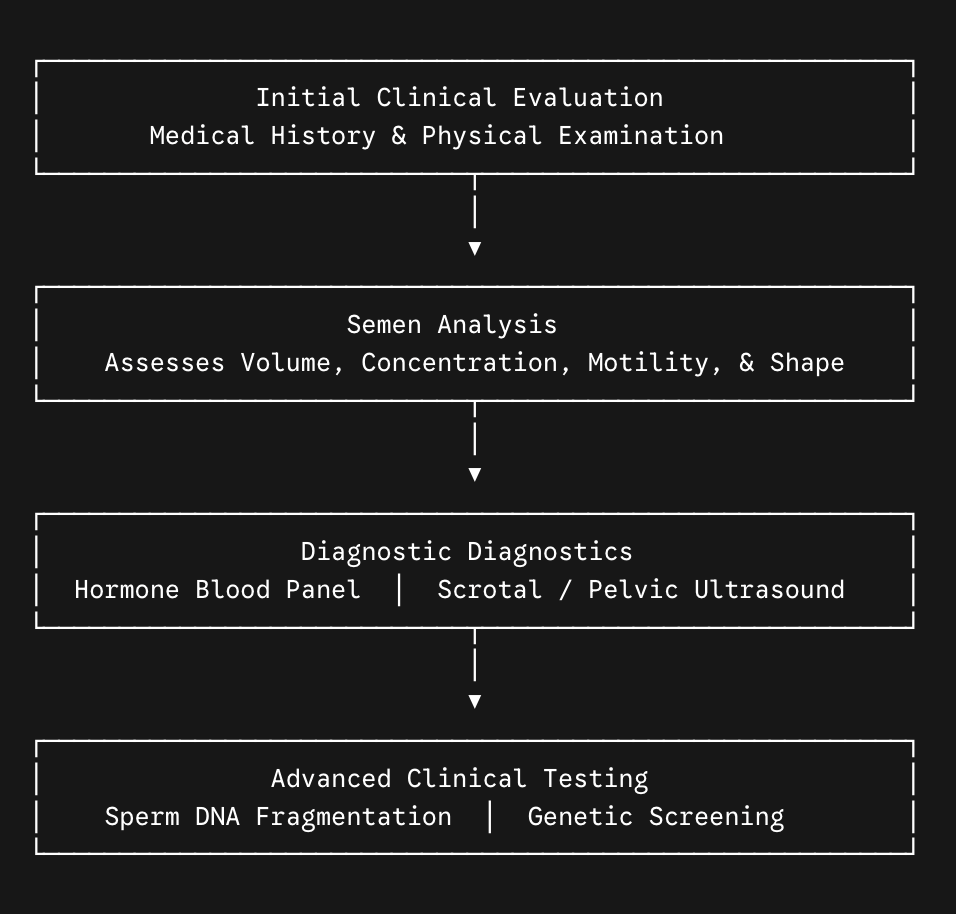
- Semen Analysis: The cornerstone of fertility testing, evaluating total sperm count, concentration, motility (percentage of moving sperm), and morphology (sperm shape).
- Hormonal Blood Tests: Evaluating levels of Follicle-Stimulating Hormone (FSH), Luteinizing Hormone (LH), Testosterone, and Prolactin helps assess how well the brain and testicles communicate during sperm production.
- Scrotal Ultrasound: Imaging provides a detailed view of the testicles, epididymis, and surrounding veins to check for varicoceles, cysts, or structural abnormalities.
- Specialized Sperm Function Tests: Tests such as Sperm DNA Fragmentation (SDF) evaluate the genetic integrity of sperm, which plays a major role in embryo development and early pregnancy stability.
Modern Treatment Approaches for Male Infertility
Depending on whether sperm parameters are mild, severely reduced, or completely absent (azoospermia), treatments range from conservative lifestyle modifications to surgical retrieval and advanced laboratory techniques.
1. Medical and Lifestyle Interventions
In cases where poor sperm quality is linked to oxidative stress, hormonal deficits, or lifestyle factors, specialists often recommend targeted antioxidants, lifestyle adjustments, or medication to optimize testosterone levels and improve sperm production.
2. Surgical Correction
If a physical blockage or varicocele is present, surgical procedures like varicocelectomy can restore normal blood flow and improve overall semen quality over 3 to 6 months.
3. Advanced Surgical Sperm Retrieval (TESA & Micro-TESE)
For men with zero sperm count (azoospermia), advanced interventions can collect healthy sperm directly from the testicles:
- TESA Treatment in Delhi: A minimally invasive needle procedure used primarily when sperm production is normal, but a physical blockage prevents ejaculate outflow (Obstructive Azoospermia).
- Micro-TESE Treatment in Delhi: An advanced microsurgical technique performed under high-power magnification to extract viable sperm from localized areas within the testicular tissue, specifically designed for Non-Obstructive Azoospermia.
4. Assisted Reproductive Techniques (ICSI & IVF)
Sperm retrieved through aspiration or natural ejaculate can be used in specialized reproductive procedures. Through Intracytoplasmic Sperm Injection (ICSI), a single high-quality sperm is injected directly into an egg during an In Vitro Fertilization (IVF) cycle, overcoming severe sperm count or motility barriers. In cases where sperm preservation is necessary before undergoing medical treatments or personal planning, options like Sperm Freezing offer long-term reproductive security.
When to Seek Medical Guidance
If you and your partner have been trying to conceive naturally for 12 months (or 6 months if your partner is over age 35), scheduling an evaluation for comprehensive Male Infertility Treatment in Delhi is a logical next step. Early diagnostic evaluation ensures that any underlying issues are identified promptly, opening clear pathways toward achieving a healthy pregnancy.
Frequently Asked Questions (FAQs) — Male Infertility
1. What is the difference between TESA and Micro-TESE for male infertility?
TESA Treatment in Delhi is a needle aspiration technique used primarily for Obstructive Azoospermia, where sperm is produced normally but blocked from ejaculate. Micro-TESE Treatment in Delhi is a microsurgical procedure performed under high magnification to locate active sperm production pockets in men with Non-Obstructive Azoospermia (impaired production).
2. Can male infertility be treated without surgery?
Yes. Depending on the root cause, non-surgical options include lifestyle modifications, hormonal therapy, antioxidant treatments, and medication to address underlying infections or endocrine imbalances. Surgery or assisted procedures are typically reserved for structural issues (like varicoceles) or severe sperm count drops (azoospermia).
3. How long does it take for sperm quality to improve after treatment?
The sperm development cycle (spermatogenesis) takes approximately 72 to 90 days. Therefore, whether you undergo lifestyle changes, hormonal therapy, or surgical varicocele repair, it generally takes 3 to 6 months to observe measurable improvements in a semen analysis.
4. Can a pregnancy still occur if semen analysis shows zero sperm (azoospermia)?
Yes. With advanced surgical sperm retrieval methods like TESA or Micro-TESE paired with Intracytoplasmic Sperm Injection (ICSI) during an IVF Treatment in Delhi, specialists can often retrieve viable sperm directly from testicular tissue to fertilize an egg successfully.
5. When should a man see an infertility specialist?
It is recommended to consult a Male Infertility Specialist in Delhi if you and your partner have been trying to conceive for 12 months (or 6 months if the female partner is over 35), or earlier if there is a history of testicular surgery, trauma, erectile dysfunction, or abnormal semen analysis results.

Dr. Shipra Gupta is a renowned obstetrician, gynaecologist, and infertility specialist, boasting over 17 years of invaluable clinical, teaching, and research experience. She has successfully performed more than 1200 cycles of IUI, IVF, natural cycle IVF, donor egg, and FET cycles. Dr. Gupta specializes in managing complex cases involving Advanced Maternal Age, PCO, Poor Ovarian Reserve, endometriosis, and unexplained infertility. Her expertise extends to treating recurrent IVF failures and male infertility.